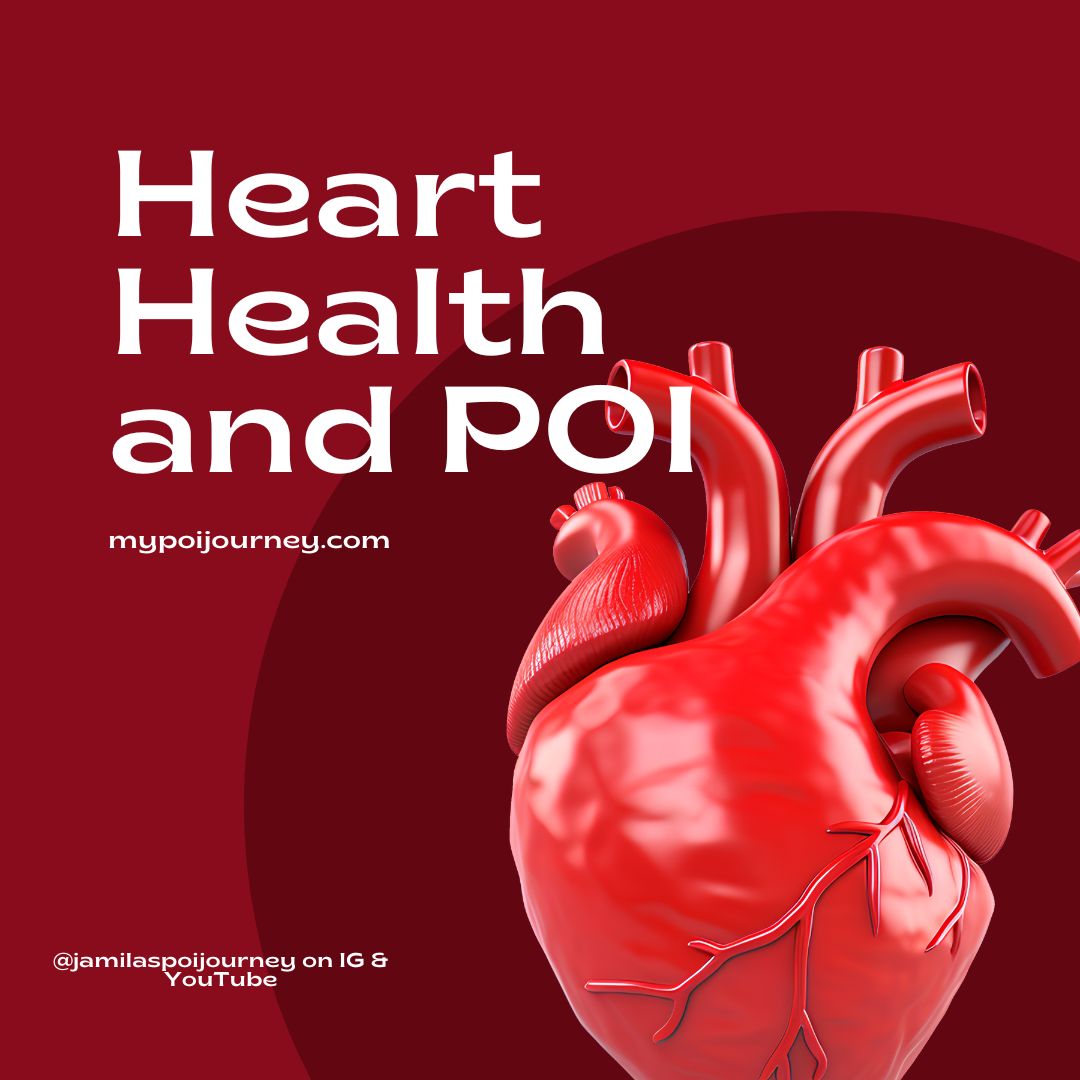
When people talk about hormones, estrogen often brings to mind reproduction. But what if I told you this powerhouse hormone also plays a crucial, often overlooked, role in keeping your heart healthy? For those with Premature Ovarian Insufficiency (POI), understanding this connection is even more vital.
The Estrogen-Heart Health Link: More Than You Think
Estrogen is a remarkable hormone with a multifaceted impact on your cardiovascular system. Beyond its well-known reproductive functions, estrogen actively promotes vascular elasticity, helping your blood vessels remain flexible and responsive. It also plays a significant role in encouraging a healthy cholesterol balance and boasts anti-inflammatory properties that act as a shield against heart disease.
Here’s a closer look at how estrogen keeps impacts your heart: :
- Increases HDL Cholesterol: Often dubbed the “good” cholesterol, High-Density Lipoprotein (HDL) helps remove excess cholesterol from your arteries, preventing plaque buildup. Estrogen gives your HDL levels a boost.
- Decreases LDL Cholesterol: On the flip side, Low-Density Lipoprotein (LDL) is the “bad” cholesterol that can contribute to arterial plaque. Estrogen helps keep these levels in check.
- Relaxes and Dilates Blood Vessels: Estrogen helps to relax and smooth the walls of your blood vessels, leading to dilation. This widening allows for increased blood flow, reducing the strain on your heart.
Taking Charge of Your Heart Health
Whether you have POI or simply want to proactively protect your heart, adopting a heart-healthy lifestyle is paramount. Here are some actionable tips to help you on your journey:
- Move Your Body: Aim for at least 30 minutes of moderate-intensity activity most days of the week. Even simple actions like daily walks can make a significant difference. Find activities you enjoy to make it sustainable!
- Embrace a Heart-Healthy Diet: Fuel your body with nutrient-rich foods. Prioritize:
- An abundance of vegetables and fruits.
- Beans or other legumes for plant-based protein and fiber.
- Lean meats and fish, especially those rich in omega-3 fatty acids.
- Low-fat or fat-free dairy foods.
- Whole grains over refined ones.
- Practice “A Little Elimination”: While balance is key, try to limit your intake of:
- Salt or high-sodium meals.
- Sugar or sweetened beverages.
- Highly refined carbohydrates (white bread, pastries).
- Alcohol (in moderation, if at all).
- Highly processed food, such as processed meats.
- Trans fat, often found in some fried fast food, chips, and baked goods.
- Prioritize Sleep: This often underestimated factor is crucial for heart health. Chronic sleep deprivation can increase your risk of high blood pressure, heart attack, diabetes, and depression.
- Manage Stress: Trust me,I know, it’s easier said than done! But ongoing stress can contribute to higher blood pressure and other risk factors for heart disease. Explore stress-reduction techniques like mindfulness, yoga, deep breathing exercises, or spending time in nature.
Comments are closed